Breathing
Breathing Exercises for Kids
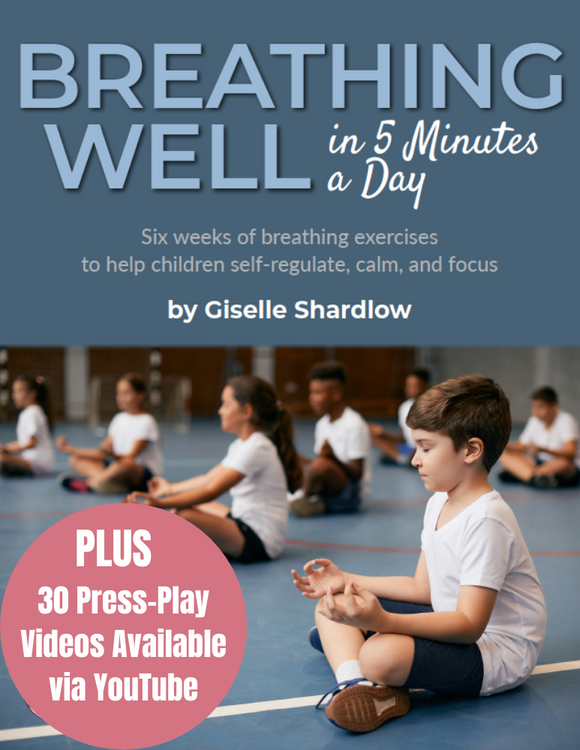
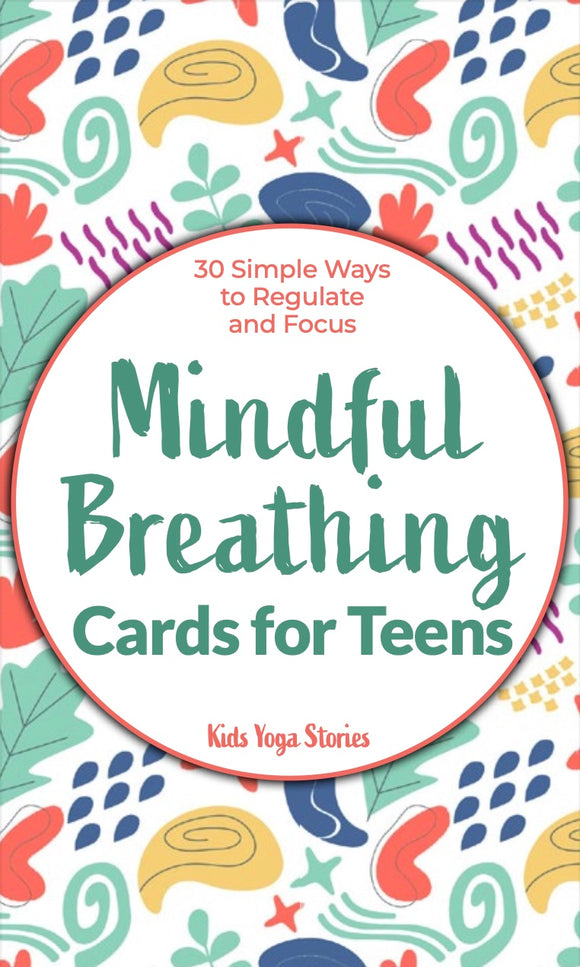
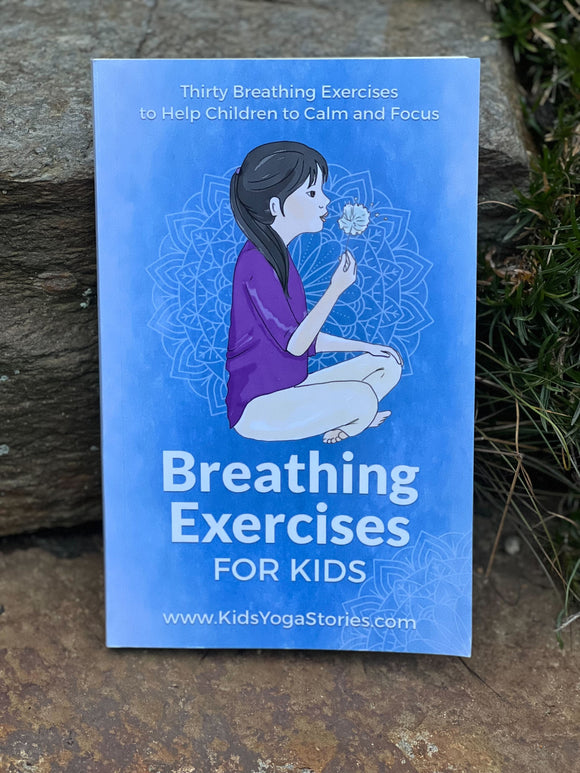
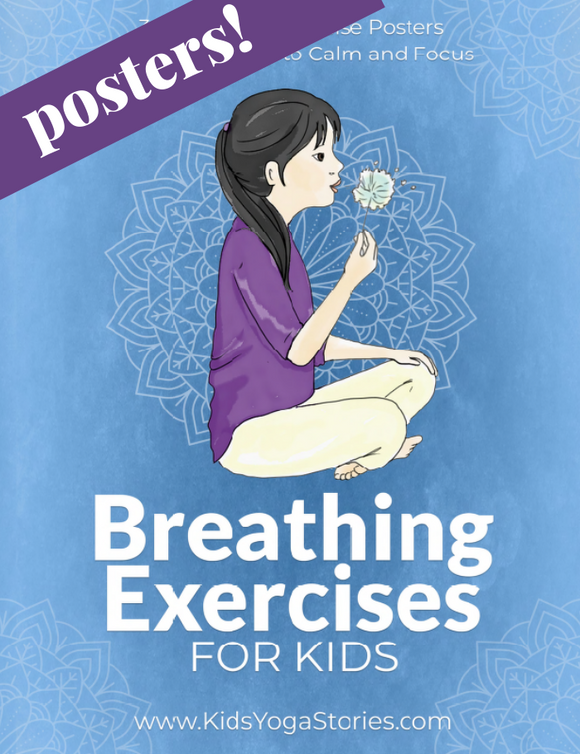
Help kids pause, reset, and feel more in control with simple breathing exercises designed especially for children. This collection includes breathing cards, printable activities, posters, books, and ready-to-use resources that make it easy to introduce calming breathing techniques at school, home, or in a kids yoga class.
Kids Yoga Stories breathing resources are designed for educators, school counselors, pediatric therapists, kids yoga teachers, and parents working with children from preschool through the elementary years. Use them during morning meetings, transitions, calm-down moments, brain breaks, before tests, or anytime children need help slowing down and refocusing.
You'll find playful breathing techniques such as Balloon Breath, Bee Breath, Flower Breath, and Bunny Breath that turn an abstract self-regulation skill into something children can see, understand, and practice. Our popular Breathing Exercise Cards, for example, include 30 breathing techniques with illustrated cards, instructions, variations, and teaching tips.
Whether you're building a classroom calm corner, teaching emotional regulation skills, or simply looking for an easy way to help kids manage stress, these breathing exercises give you practical tools you can use right away.
FAQs
What are breathing exercises for kids?
Breathing exercises are simple techniques that help children intentionally slow down and pay attention to their breath. Kid-friendly exercises often use visual cues, movement, sounds, animals, or imagination to make the practice easier to understand.
When can children use breathing exercises?
Breathing activities can be practiced during calm moments and incorporated into morning routines, classroom transitions, brain breaks, counseling sessions, yoga classes, or before and after challenging situations.
How can teachers use breathing exercises in the classroom?
Teachers can introduce one breathing technique at a time and practice it regularly with students. Breathing exercises can also become part of morning meetings, transitions, calm corners, SEL activities, or short classroom resets.