Calm Down & Self-Regulation
Calm Down & Self-Regulation Activities for Kids
Big feelings happen. Having simple, familiar tools children can turn to can make those moments easier to navigate.
This collection brings together calming and self-regulation activities designed to help children recognize what they’re feeling, regulate their bodies, and return to a place where they’re more ready to learn, connect, and participate.
These resources are especially useful for teachers, school counselors, pediatric therapists, kids yoga teachers, and families looking for practical ways to support emotional regulation. Use them in classroom calm-down spaces, counseling or therapy sessions, during transitions, after recess, as part of a morning routine, or whenever a child needs help resetting.
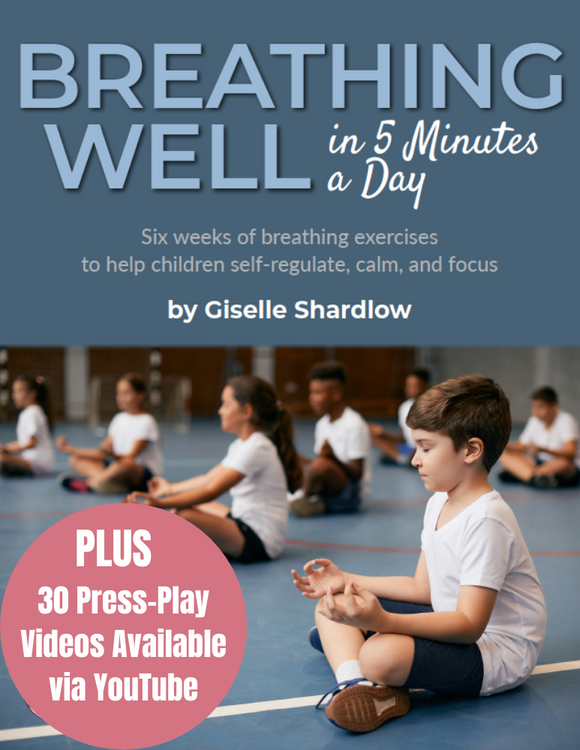
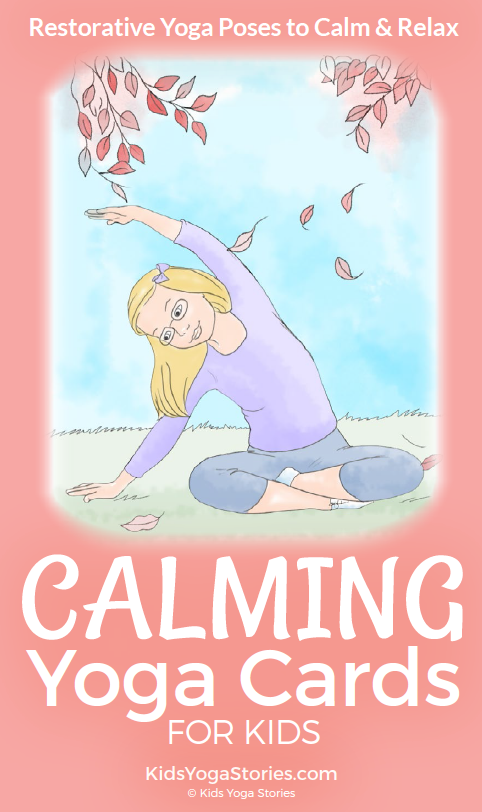
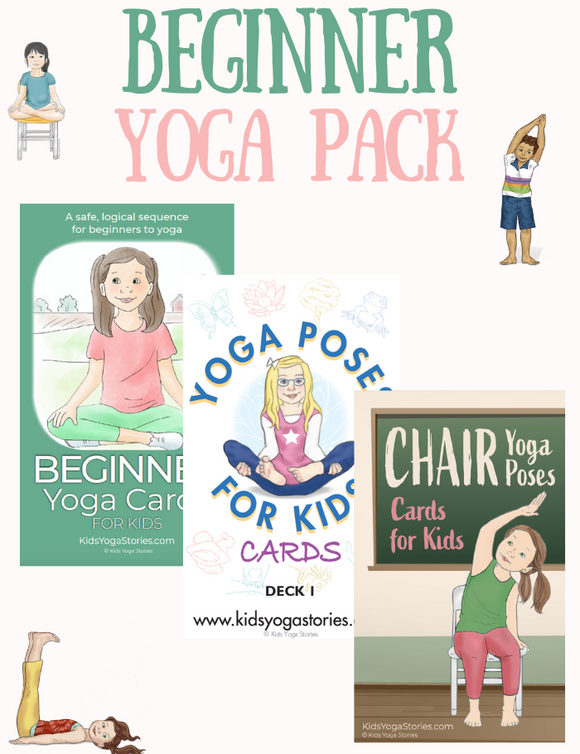
You'll find kid-friendly activities that use movement, yoga, breathing, mindfulness, and other calming strategies. Rather than expecting children to simply “calm down,” these resources give them concrete things they can actually do when emotions feel big.
Choose activities that fit the children you work with and begin building a toolbox of self-regulation strategies they can practice when they're calm—and draw on when they really need them.
FAQs
What are self-regulation activities for kids?
Self-regulation activities help children notice and respond to their emotions, energy levels, and physical sensations. Strategies can include breathing exercises, yoga and movement, mindfulness, sensory activities, and other calming techniques.
How can teachers use calming activities in the classroom?
Calming activities can be incorporated into morning meetings, transitions, brain breaks, calm-down spaces, or after high-energy parts of the school day. Practicing the strategies regularly can also help children become familiar with them before difficult moments arise.
Can these resources be used in therapy or counseling?
Many of these activities can be incorporated into school counseling, occupational therapy, speech-language therapy, physical therapy, and other child-centered settings as appropriate to the professional and child's needs.